


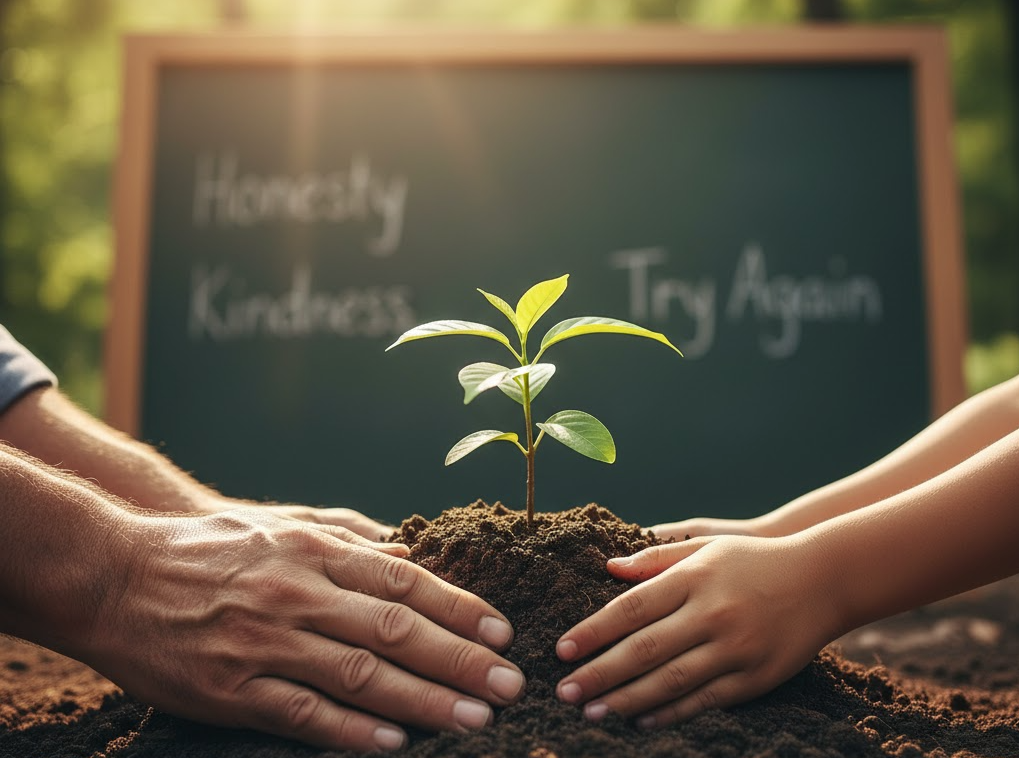
Character isn’t just a list of virtues—it’s about who you are when no one’s watching. For me, it’s shaped by family, culture, and faith, and revealed in daily choices. As a teacher, community leader, and father, I know building my own character comes before guiding others.
The Cornerstones of Character
For me, character boils down to honesty, keeping commitments, owning responsibilities, and sometimes putting others first. Skills matter, but without character, they come up short. I’ve watched talented people falter—not due to lack of skill, but a lack of follow-through—and that hurts everyone, themselves included.
Words count, no doubt, but what you actually do says way more—especially if it doesn’t match what comes out of your mouth. It’s easy to sound all high and mighty in a speech or meeting. I’ve noticed politicians, bosses, and even good-hearted friends spit out what folks want to hear all the time. But when those words don’t lead to real action, trust starts crumbling. In fact, I’ve come to believe that breaking a promise hurts worse than just saying no upfront—because it disrespects not only the job, but the person who trusted you.
The Strength in Admitting Mistakes
Real character shines through when we screw up, too. A lot of folks, myself included at times, try to bury our mistakes like they’re something shameful. But I’ve learned—often the hard way—that owning up to an error isn’t weakness. It’s courage. Admitting you’re wrong and reaching out for help to make it right? That shows real humility and that you actually care about the folks and the job at hand. That raw honesty does more to build trust than pretending to be perfect ever will.
How I Aim to Cultivate Character
If I want others—my students, my kids, my team—to build character, I can’t just talk about it. I have to live it out. That means rolling up my sleeves for the same work I expect from them, even on rough days. It means owning up when I’m wrong, even if it makes me look bad. And it means helping out behind the scenes, not for pats on the back. Folks don’t stick with flawless leaders—they gravitate to the genuine ones who keep it real.

Holding people accountable is key, too. Without it, even decent people start taking shortcuts. So I gently but firmly keep those I care about on track—not to embarrass them, but to help them grow. When students, staff, or my own kids get that their choices come with real fallout, they start choosing better—even when I’m not watching.
I make a point to set up situations where folks can show their best side. Sometimes it’s as simple as giving a student a high-five after they’ve busted their butt studying, or shouting out to an employee who stayed late to get things done. I’m not bribing anyone here—these are just ways to say, ‘Hey, I see what you’re doing, and it counts.’ Bit by bit, that helps build real integrity.
A Foundation of Faith
My own character is deeply rooted in my Christian faith. I believe that when we truly grasp God’s grace—His forgiveness, His love—it changes us. We don’t do well to score points with God; we do it because we’re grateful for what He’s given us. That’s why so many of the most selfless people I know have a strong faith.
Naturally, not every Christian nails this—including me on my off days. Often, it’s not the faith that’s missing, but our drive to let it guide our everyday stuff. And I’ve also met people from other faiths—or none at all—who live with incredible integrity. It’s not the religious label that impresses me—it’s the genuine heart behind what they do. So while I’m happy to talk about my faith, I push others to explore their own beliefs deeply. After all, character really takes root when your convictions run deep and true.
A Leader’s Final Commitment
In the end, I can’t force character on anyone. Everyone has to pick that path on their own. But I can be there with them—showing what I stand for, giving them room to grow, and setting up chances to make the right calls. As a teacher, leader, and dad, that’s what I’m here for: not churning out perfect folks, but guiding them to be their best selves—honest, accountable, and compassionate.
